Giverny
“What keeps my heart awake is colorful silence.” - Claude Monet
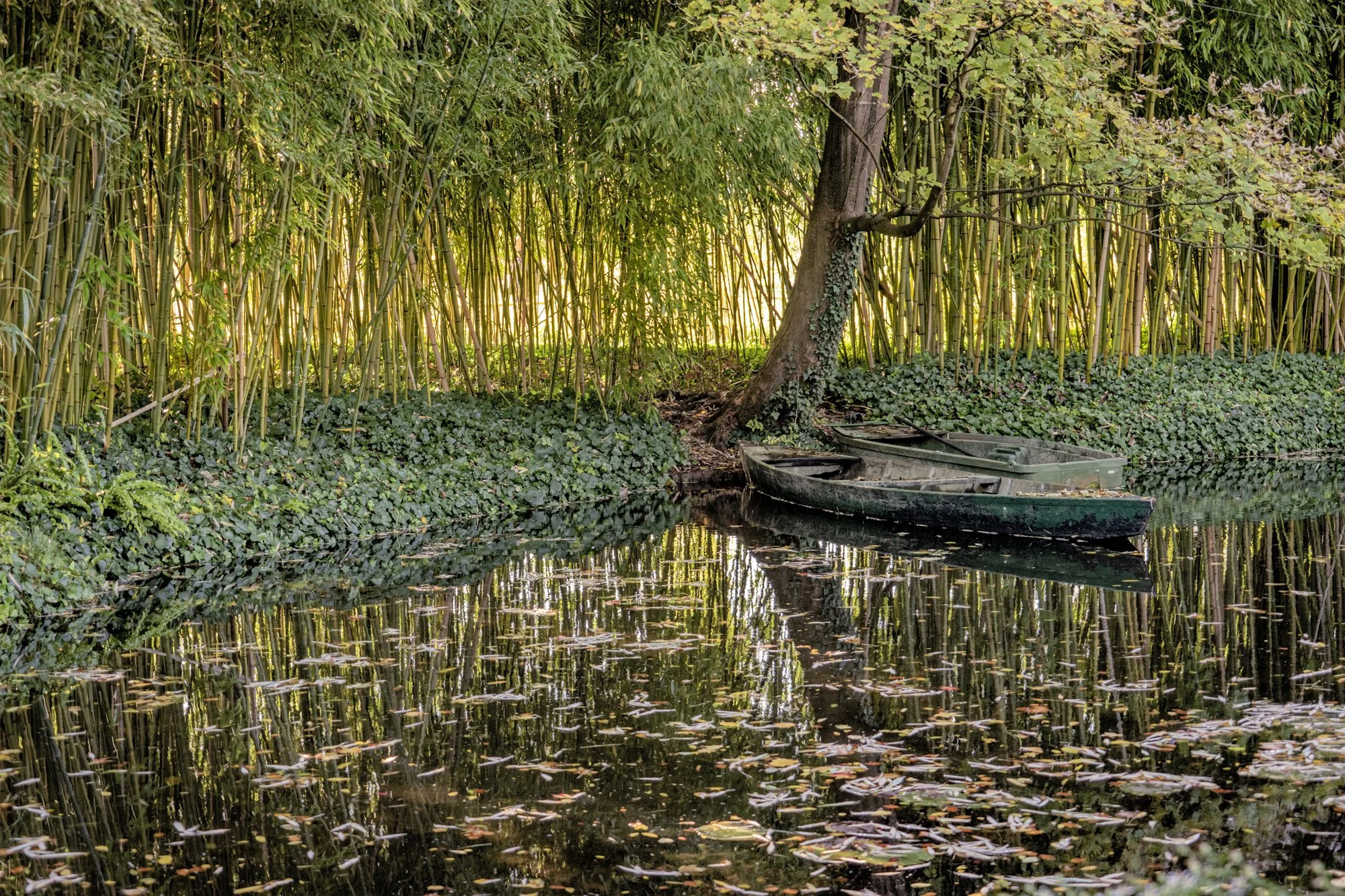
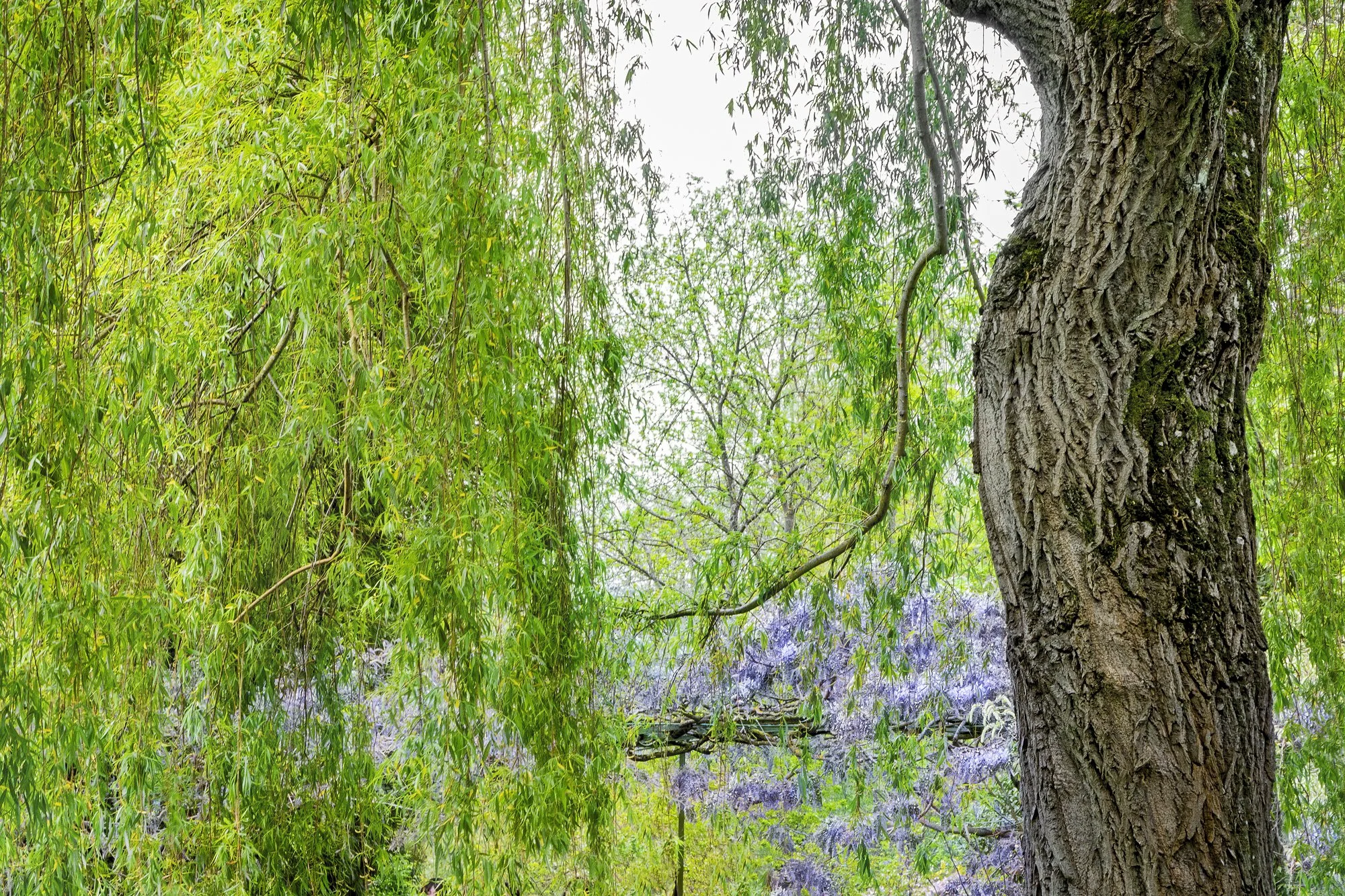
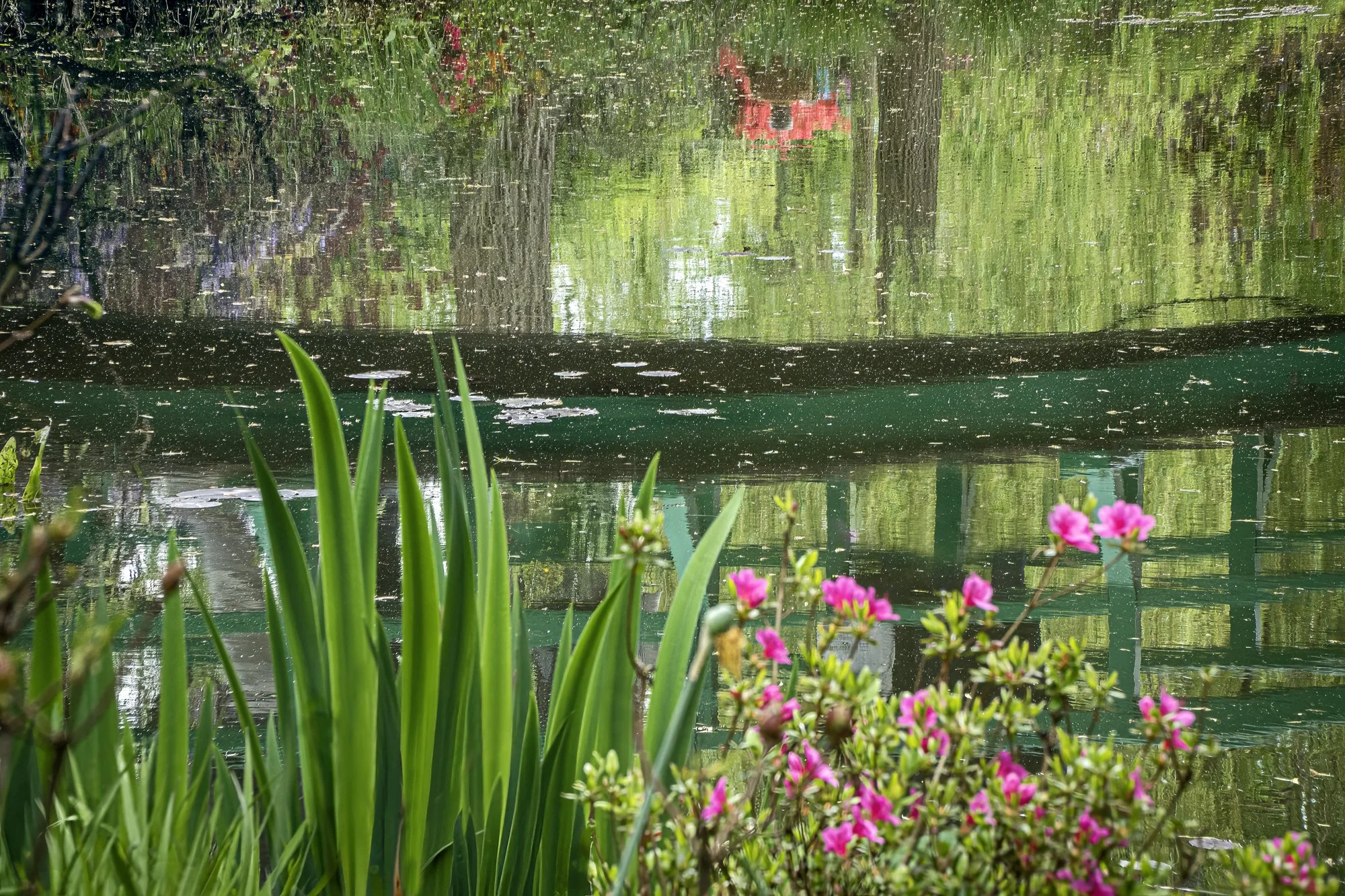
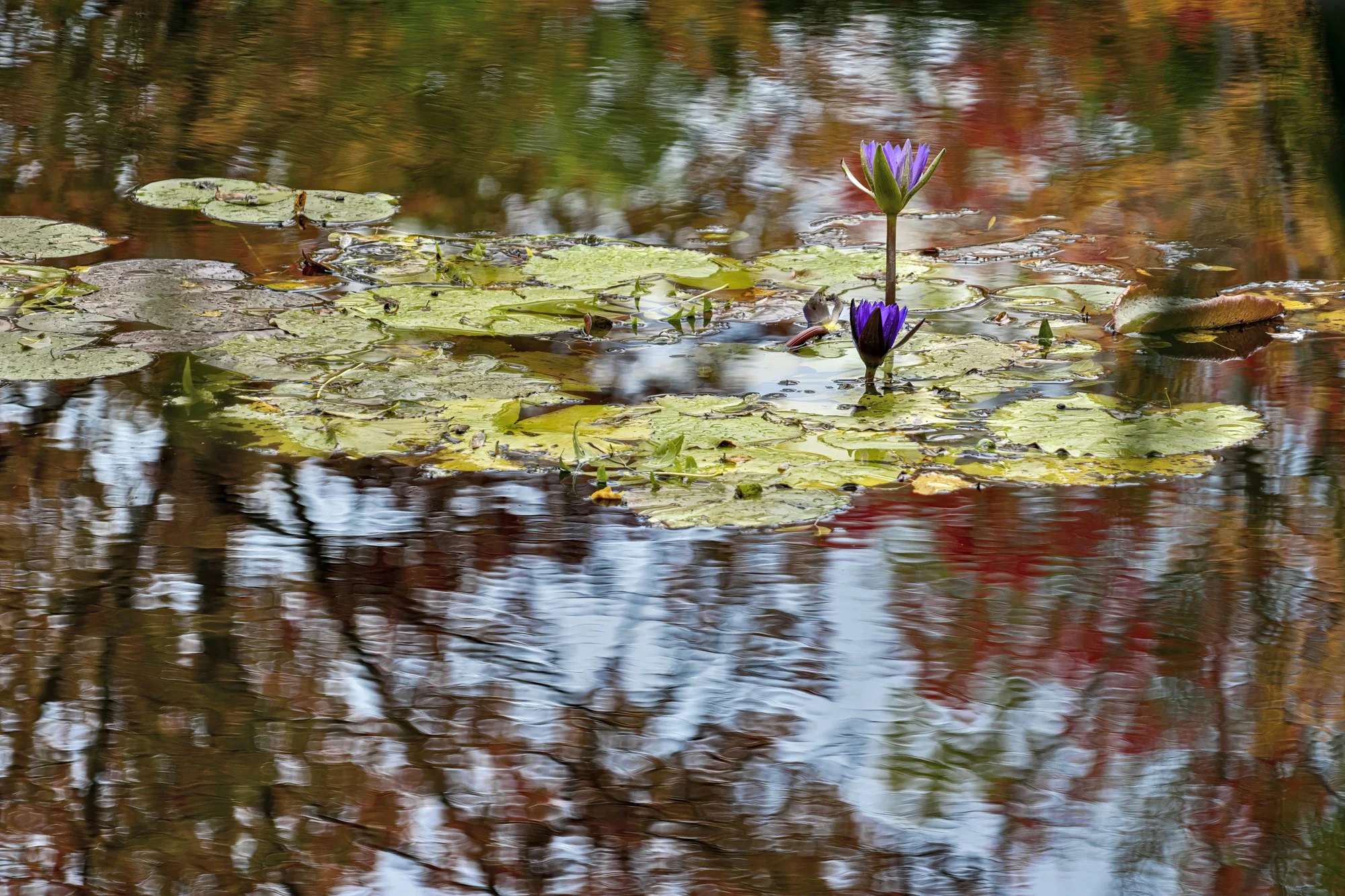
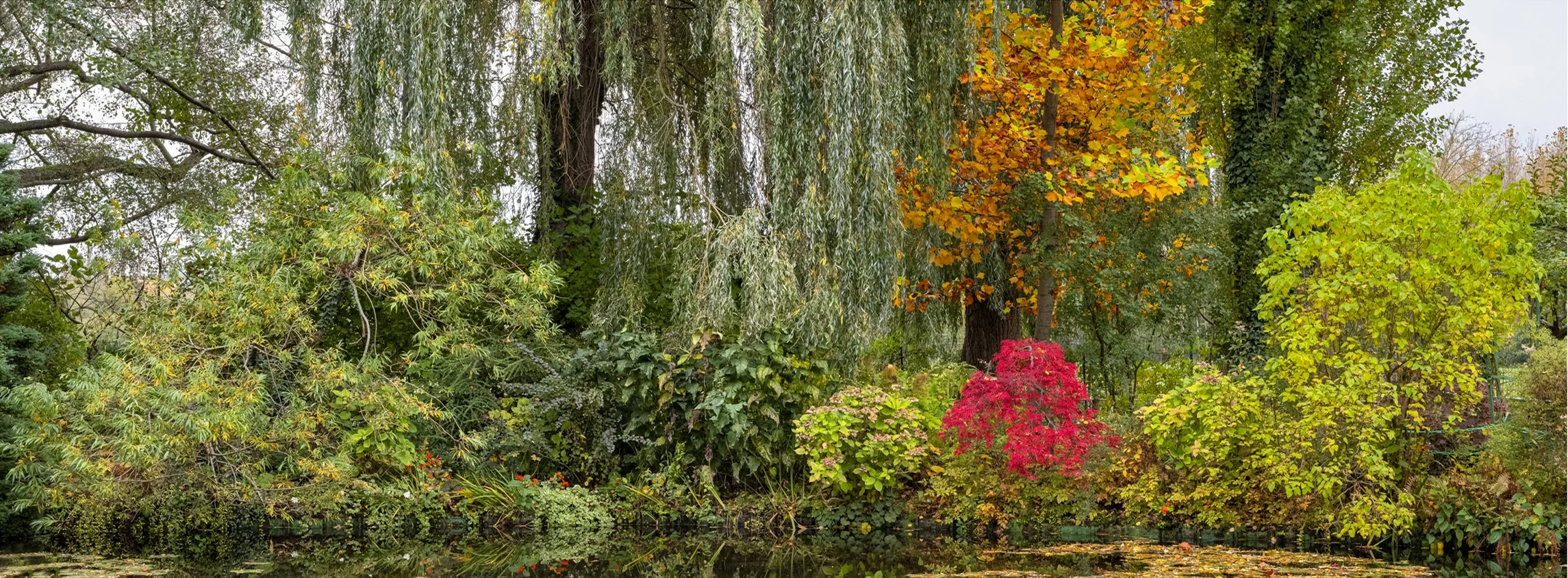
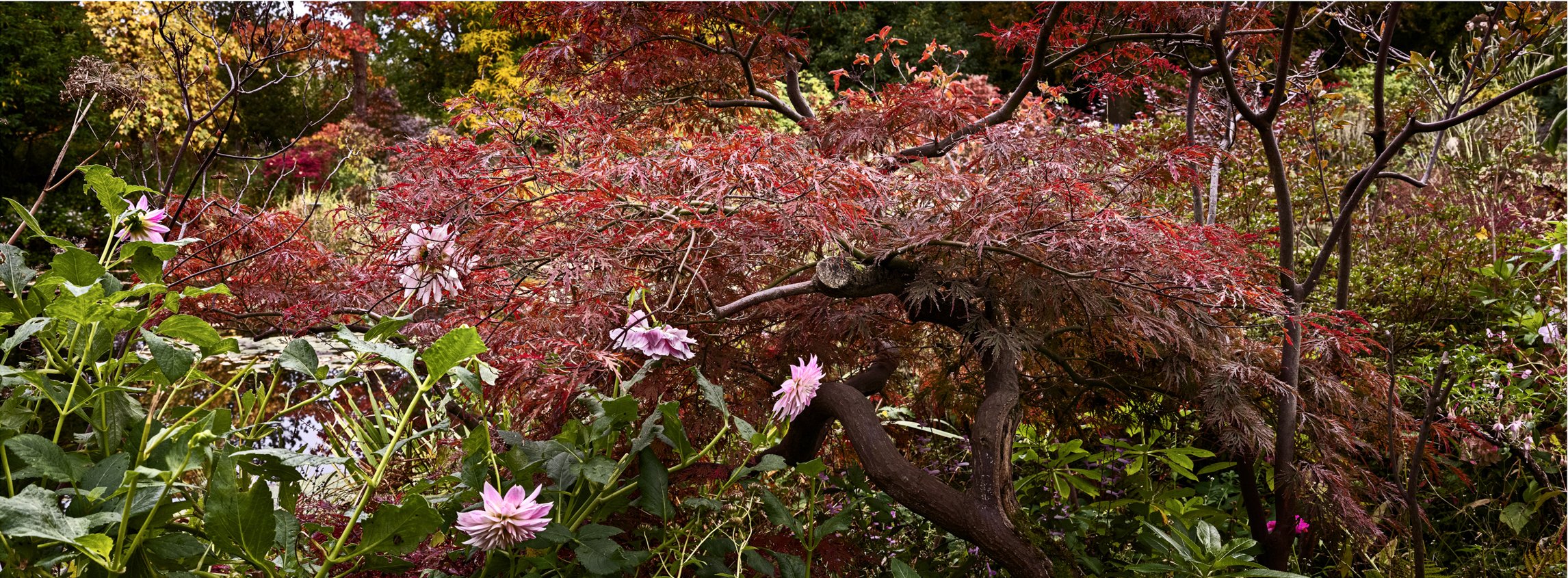
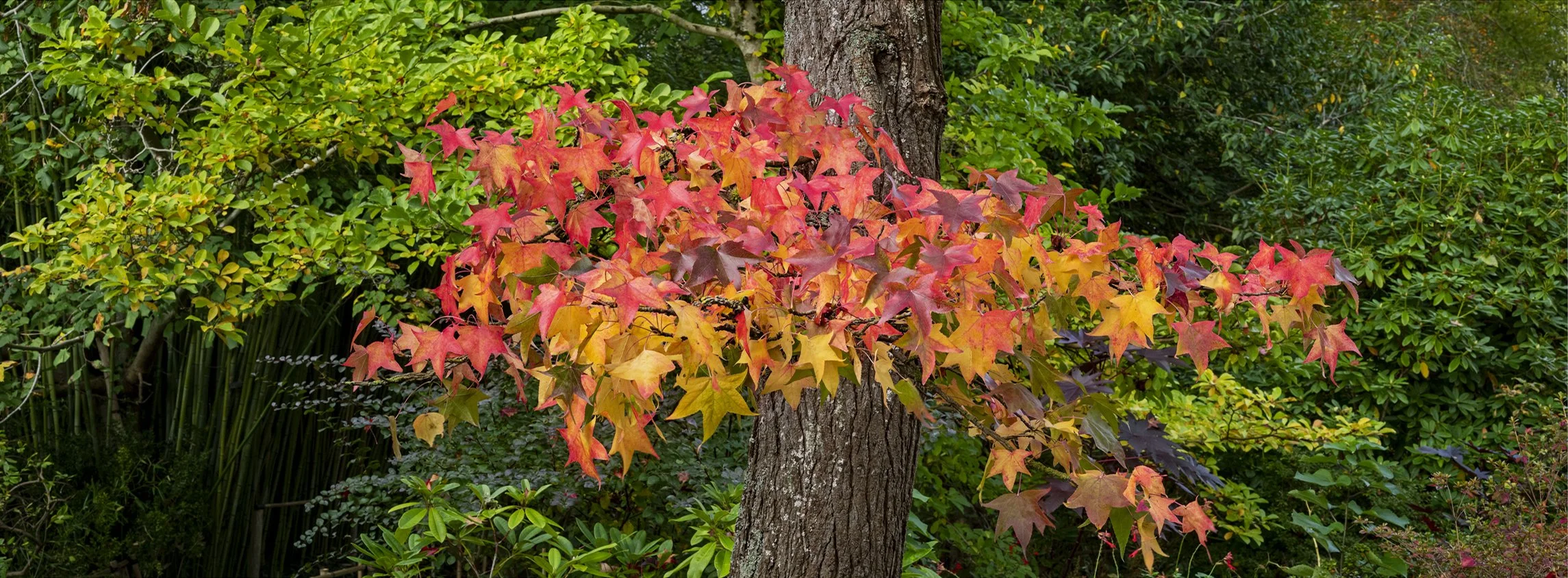
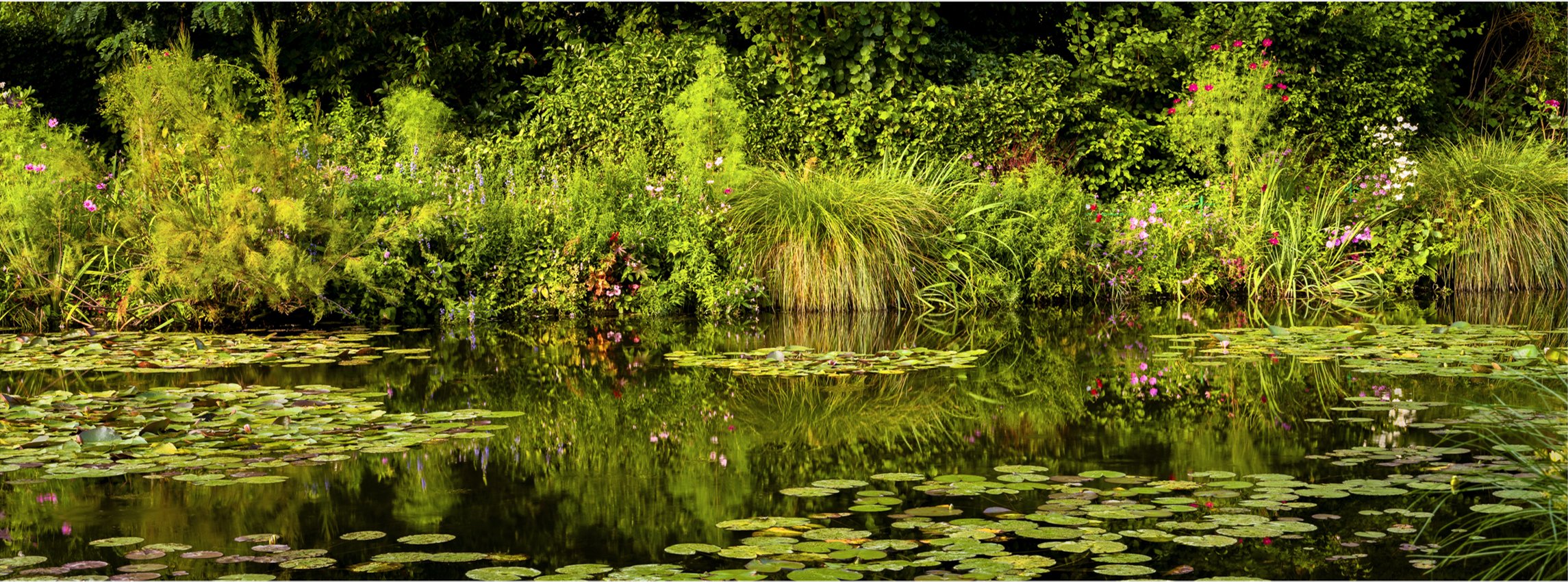
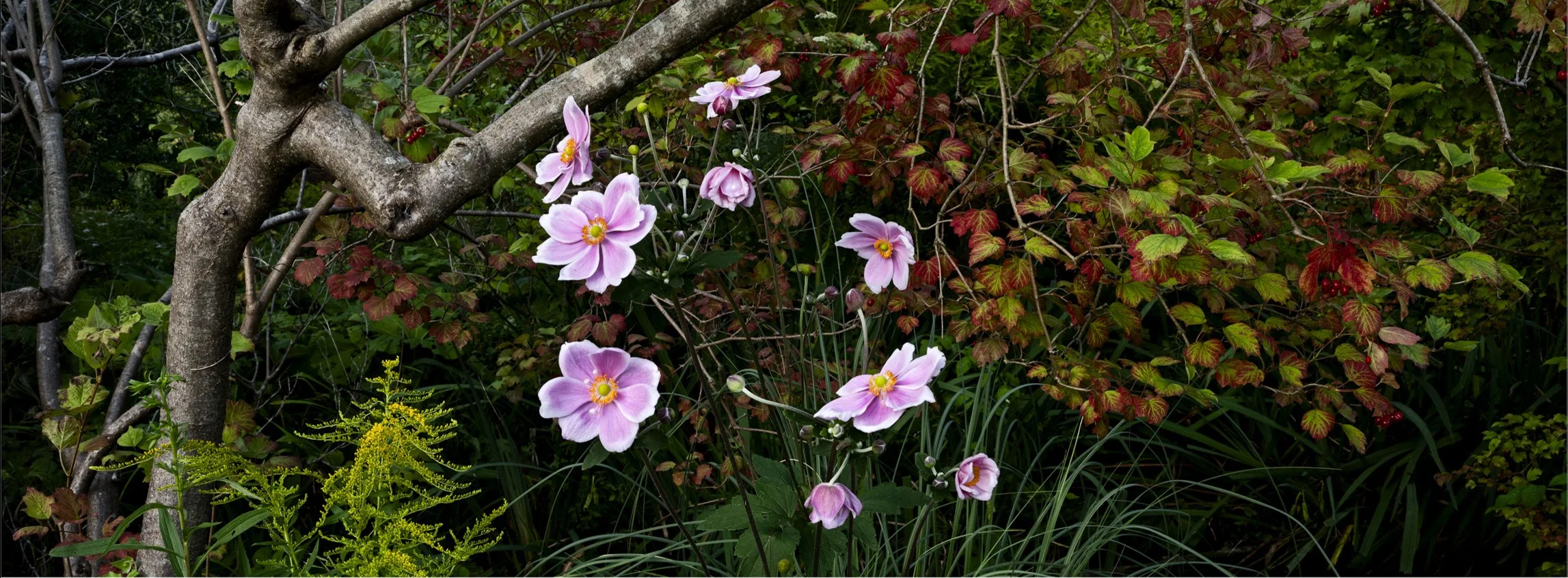
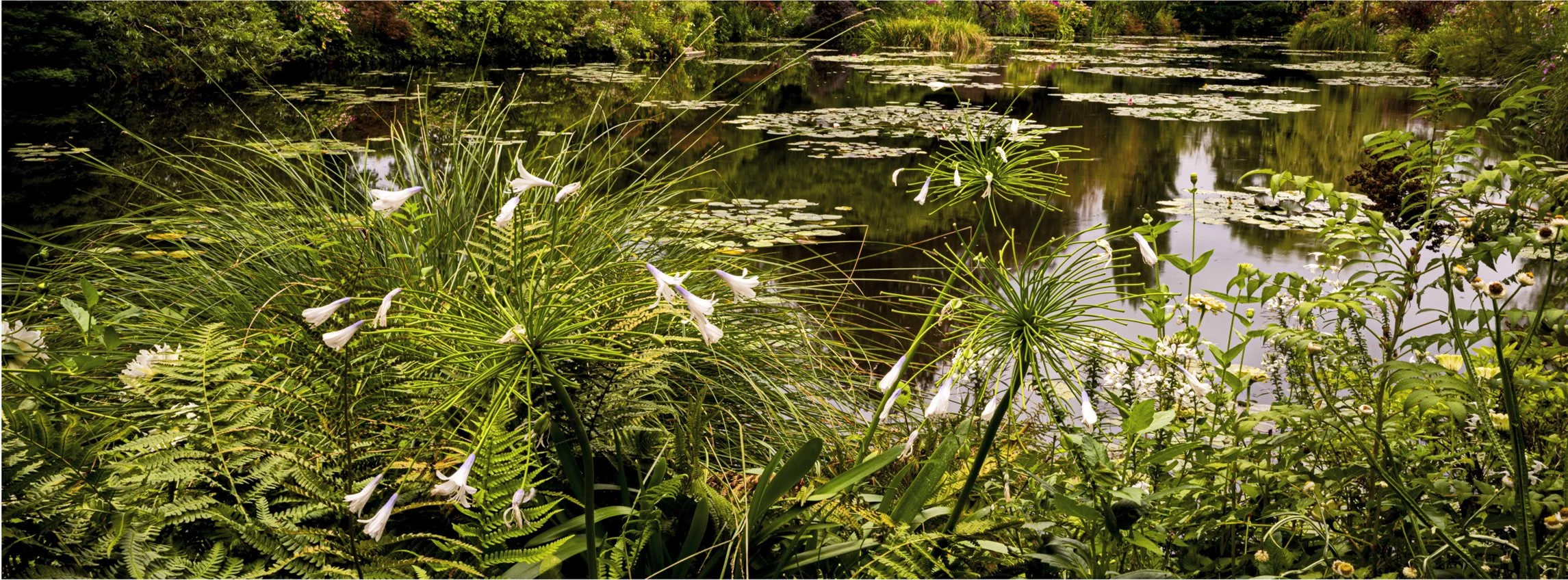
Color – it is inescapable in the explosive wildness of Monet’s gardens. Paths disappear with the abundance of flowers overflowing. The eye jumps from one place to another, each a small blend of flowers, with all threads blending to sew a blanket of many colors and textures!
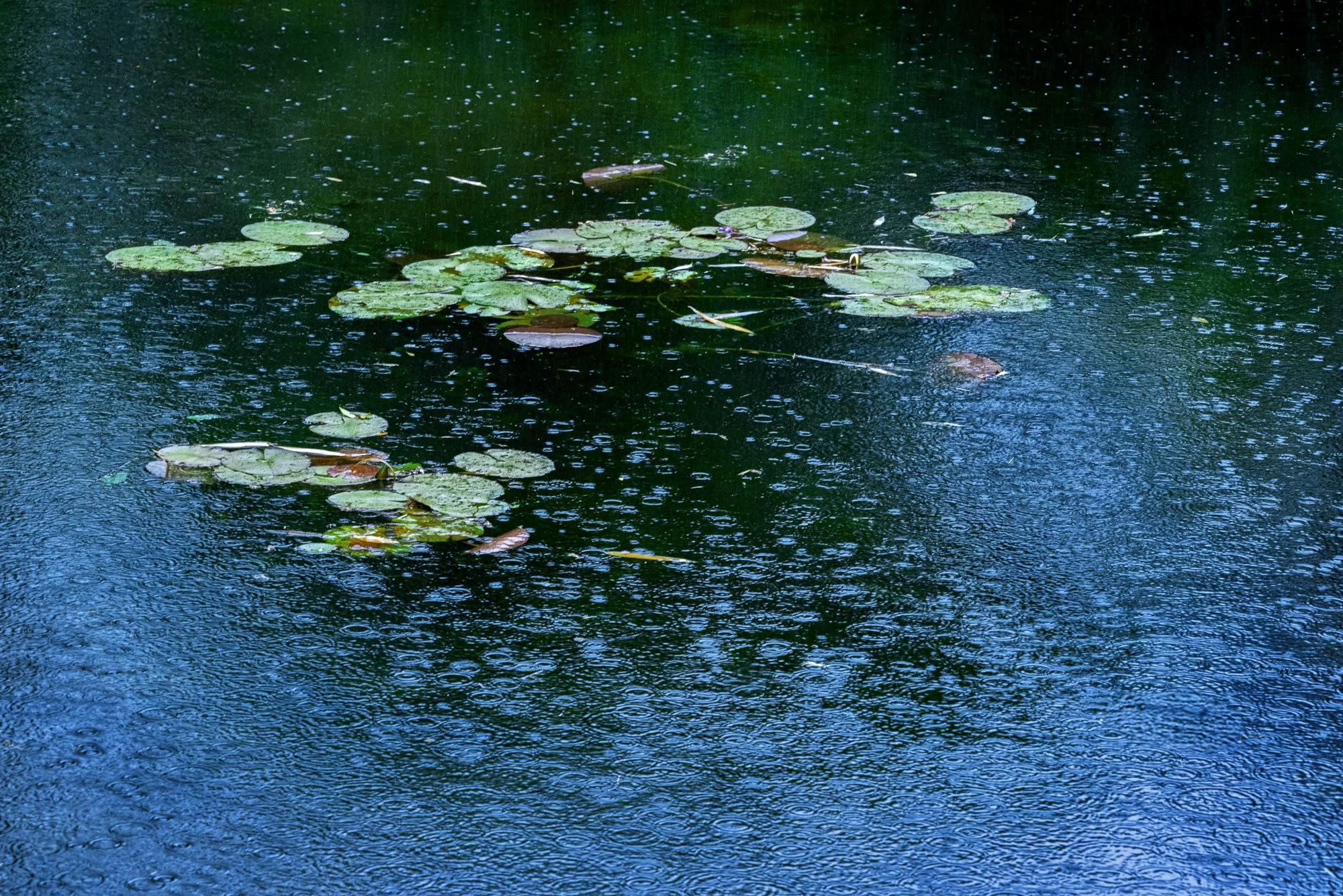
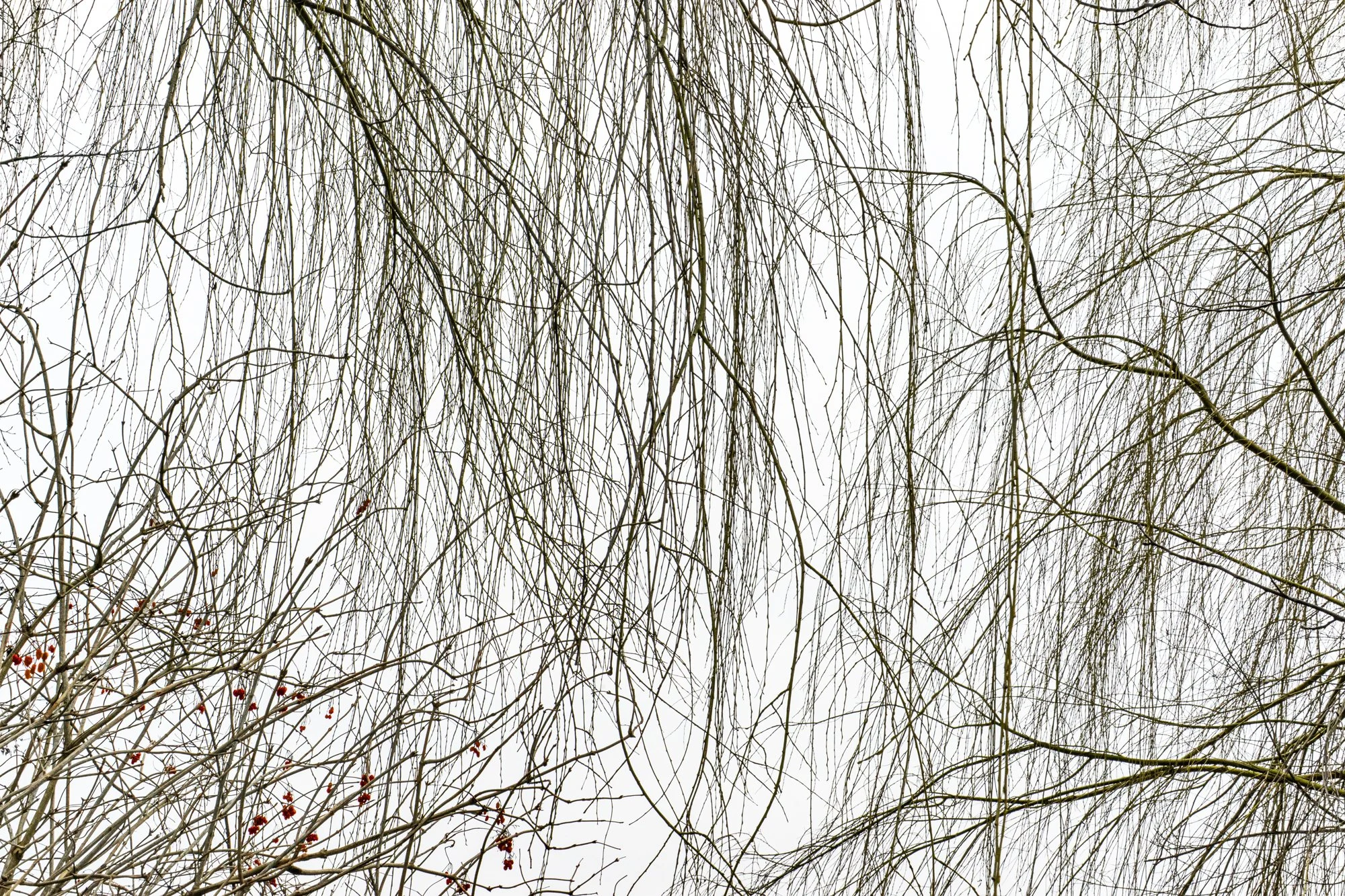
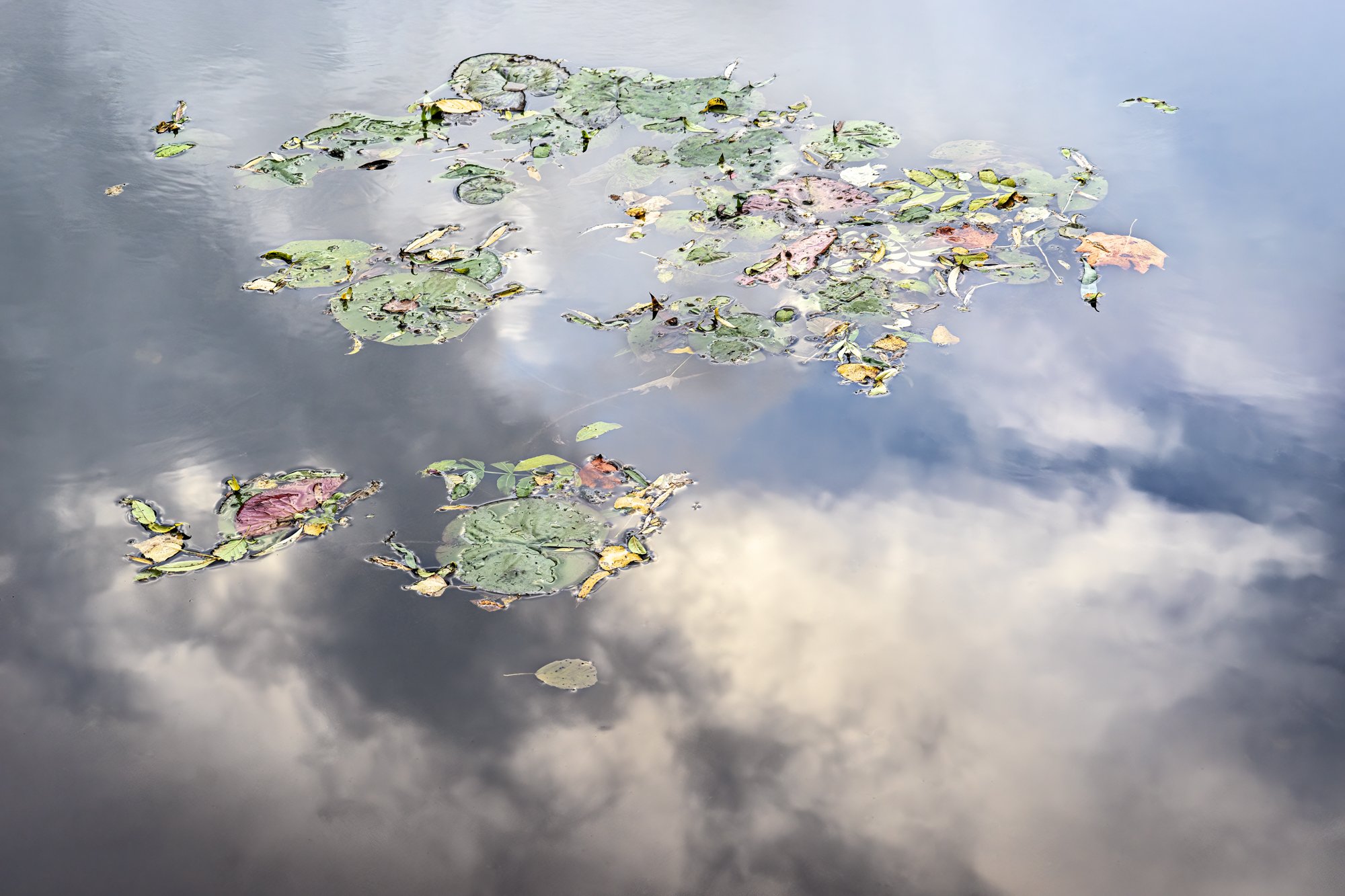
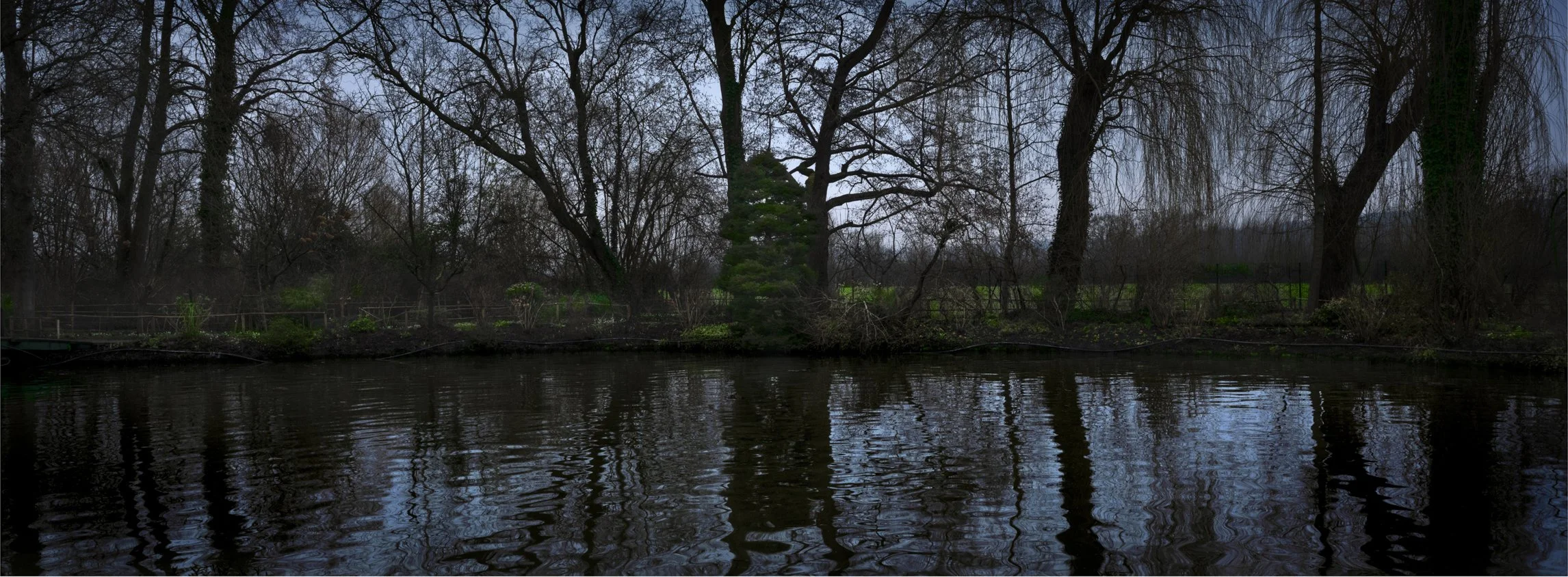
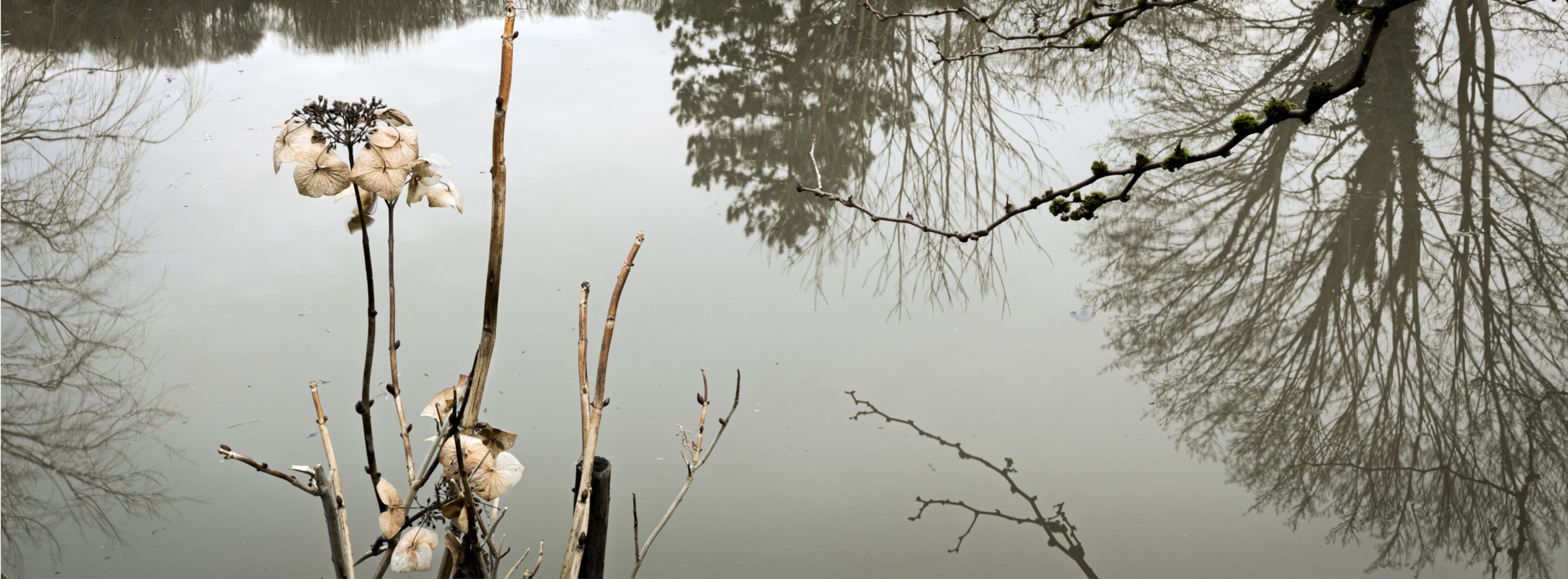
Photographing a place as iconic and frequently visited as Monet’s garden presents its own challenges: how do we create a new interpretation in a place already so visually well-known, having been photographed and painted by so many? Is there something else to tell? Through the four visits, we sought to find our voices within the overwhelming beauty—an artistic counterpoint to the color, light, and seasonal abundance of Giverny. This became our pursuit: to engage with the spirit of the place while honoring its history and its most famous inhabitant. We had his vision in mind as we sought to honor Monet and our shared experiences.
We made four visits, one in each season. The time between each visit allowed us to reflect and study, learning more about Monet’s life, his artistic vision, his health, and his evolving vision problems. Slowly, our perspectives began to emerge—not just as individuals, but as collaborators in conversation with one another, as well as with the garden, with the echoes of Monet’s work in our eyes.
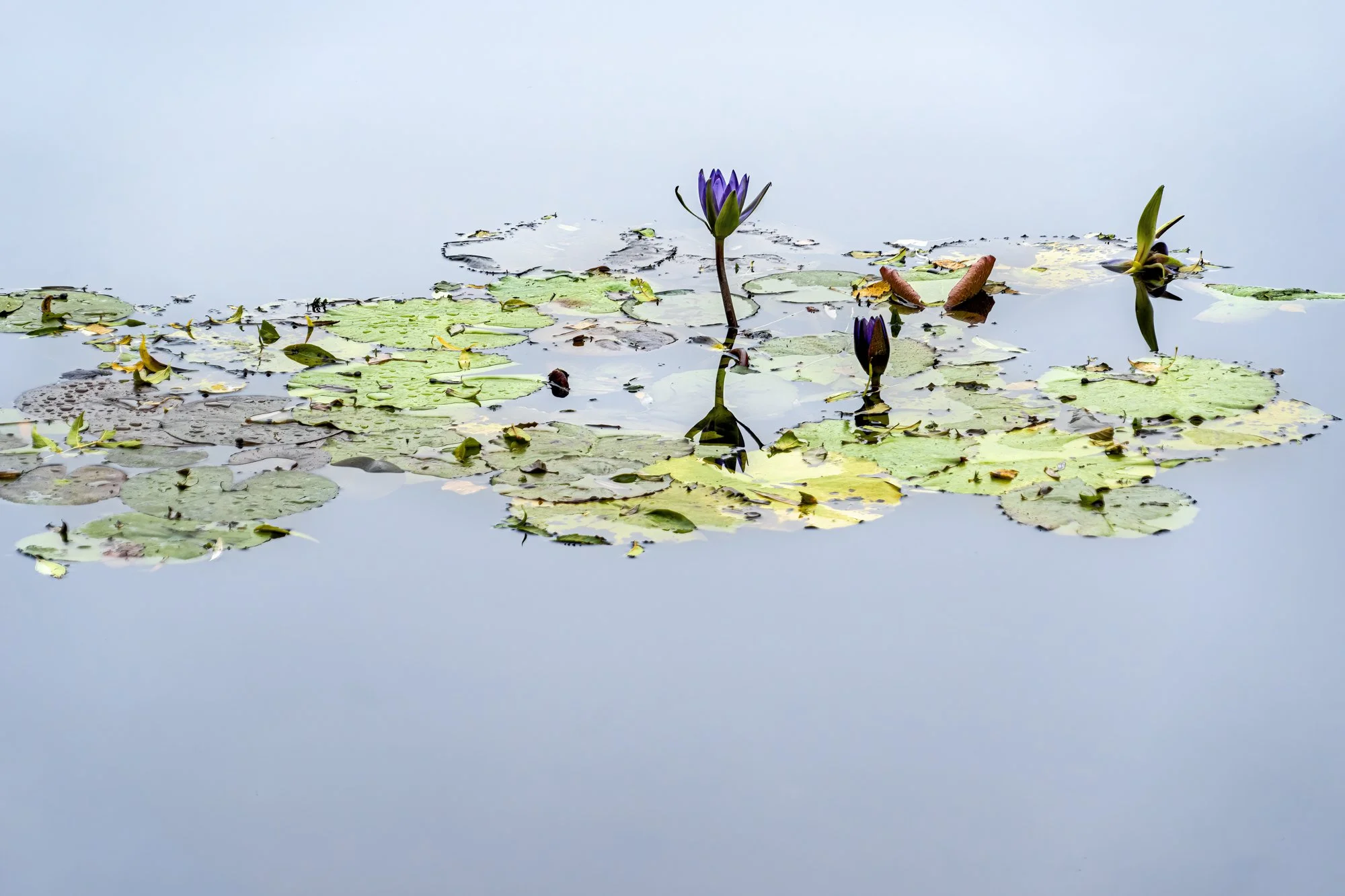
In 2015, we traveled to Paris for the opening of the exhibition Hip Hop, From the Bronx to the Arab Street at the Institut du Monde Arabe, where David’s work was featured. With a free day, we made the trip to Giverny, a place that had long lived in our imaginations. It was spring. The gardens exploded with color, and the water lilies floated quietly on the pond—images so familiar in our minds, yet now part of our own experience. Janet had a camera with her and took photographs, with no plans beyond capturing memories of the moment.
Years later, during the quiet introspection of the pandemic, Janet revisited those images. Something shifted. Giverny was no longer just a beautiful memory. It called to us to be explored more deeply, to walk, once again, down that quiet road and immerse ourselves in the gardens.
For David, the connection to Monet reaches further back. As a teenager in Brooklyn, his education often happened outside the classroom. Days spent in Spinelli’s Pool Hall were matched by hours sitting in front of Monet’s Water Liliesat the Museum of Modern Art. In the late 1960s, those paintings were installed in a secluded gallery, creating a quiet and meditative atmosphere. That space became a sanctuary, a place to think, reflect, and escape. The calm presence of Monet’s canvases had a profound influence on David’s developing artistic identity. Visiting the gardens that inspired those works was not just an artistic goal—it was a return to something deeply formative.
Janet wrote to the Monet Foundation with the help of our dear friend, Elizabeth Glassman, requesting permission to photograph the gardens across four seasons. The idea was sparked by a recent project of hers, The Wheelbarrow, which documented the impact of drought in New Mexico by photographing the interior of a wheelbarrow left outdoors under an ancient pine tree throughout the seasons. The images function as a visual metaphor for the effects of climate change in the Southwest.
Thankfully, with the help of Jan Huntley, the Foundation granted us permission, and we began what became a three-year-long engagement with Giverny.
We've been privileged to receive guidance and friendship from two giants of the photographic world — Beaumont Newhall and Eliot Porter. Our relationship with them shaped us in lasting ways, encouraging us to follow our creative voices. As Eliot wrote,
But before all else, a work of art is the creation of love. Love for the subject first and for the medium second. Love is the fundamental necessity underlying the need to create, underlying the emotion that gives it form, and from which grows the unfinished product that is presented to the world. Love is the general criterion by which the rare photograph is judged. It must contain it to be not less than the best of which the photographer is capable.
-Eliot Porter
What we present here is more than a photographic document of a garden—it is a visual meditation, a shared journey, and an offering of gratitude. We are humbled by the opportunity to engage with Giverny and honored to share our interpretation with you.
Janet Russek & David Scheinbaum
Santa Fe, New Mexico, 2025